Laser Systems for Universities and Research Labs
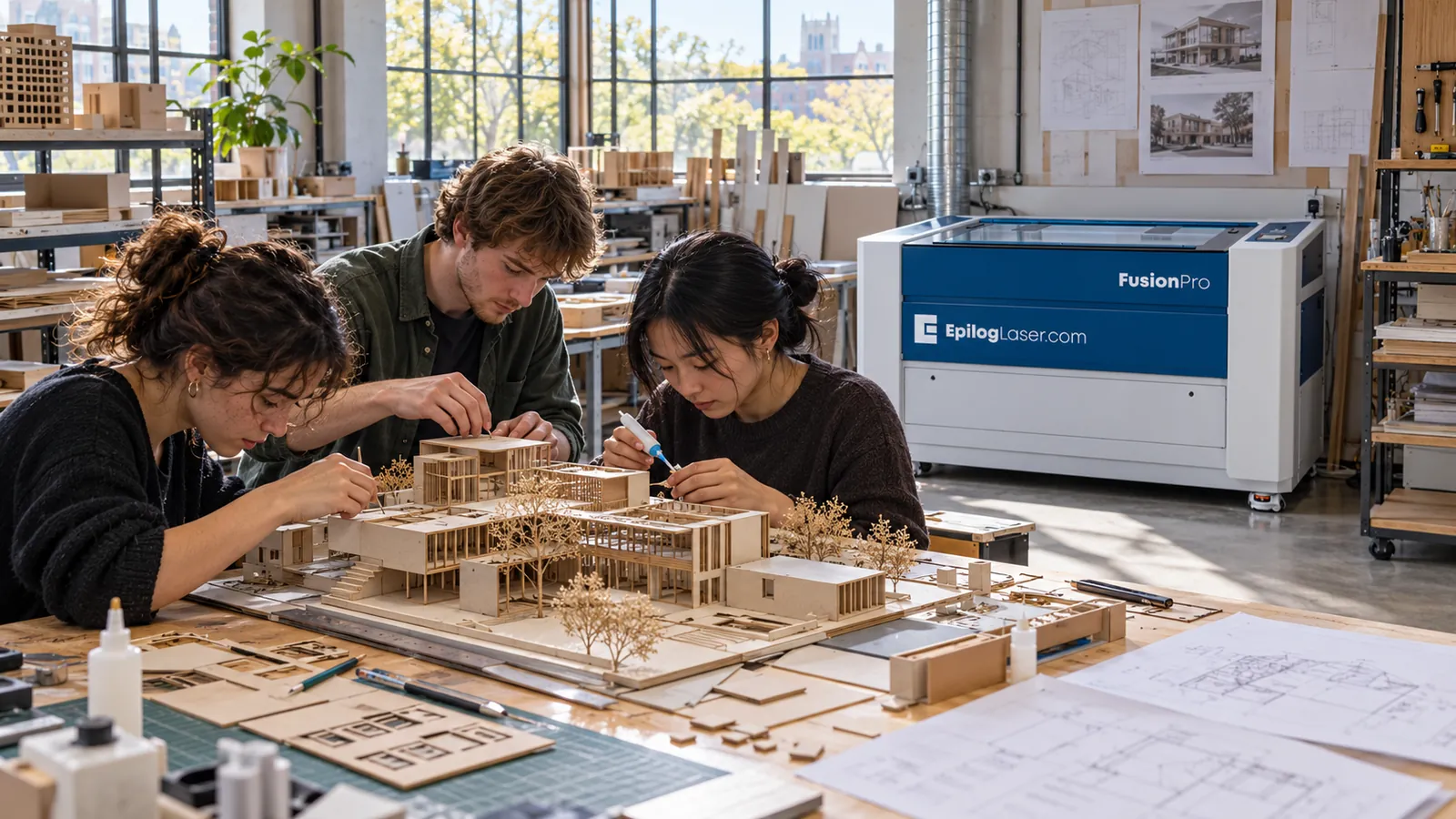
Engineering shops, architecture studios and research labs use lasers for prototypes, models and fixtures. We help match the machine to how the lab works.
Trusted by universities and colleges across Canada






















- University of British Columbia
- University of Ottawa
- University of Waterloo
- BCIT
- Toronto Metropolitan University
- York University
- Assiniboine Community College
- University of Alberta
- Red River College
- Douglas College
- Georgian College
- University of Toronto
- College of the North Atlantic
- Université de Sherbrooke
- OCAD University
- University of Prince Edward Island
- Vancouver Island University
- Lakehead University
- Kwantlen Polytechnic University
- SAIT
- TRIUMF
- McGill University
- Emily Carr University of Art + Design
How labs and studios use lasers
A university laser often serves several groups at once: an architecture studio cutting models the night before a review, an engineering design course, and a research group that needs one specific process to work. Each wants something different from the machine.
Architecture studios want bed size and cutting speed in card, chipboard and thin plywood. Engineering and research groups care about repeatability, and sometimes about marking metal parts. A fiber or dual-source machine makes sense when metal marking is part of the work.
Typical jobs
- Architectural models in card, chipboard, basswood and acrylic
- Capstone and design-course prototypes
- Fixtures, jigs and lab equipment parts
- Microfluidic channels cut into PMMA (acrylic)
- Part marking and traceability on metal samples
- Signage and wayfinding for departments
Materials that work
- Card, chipboard and basswood
The core of model making. Low power, high speed, and someone watching for flare-ups.
- Cast acrylic (PMMA)
For prototypes, enclosures and microfluidic test channels.
- Metals
Fiber laser for direct marking of steel, titanium and aluminum samples.
Not sure about a material? Check the laser-safe materials guide.
Setups we usually recommend
- 1
Model shop
Fusion Pro 36 or 48 for the bed size, with extraction sized for long cutting sessions.
- 2
Research lab
A Fusion Pro with a dual source, or a Fusion Galvo G100, when the work includes marking metal.
- 3
Large-format cutting
A Kern flatbed for full sheets. Plan for 230V power, and check the room first.
Equipment and materials

Fusion Pro 24, 36 and 48 (CO₂ or dual-source CO₂ + fiber) and the Fusion Galvo G100.
View Epilog
Flatbed lasers that take full sheets, for model shops and fabrication labs.
View Kern
Fiber, MOPA and UV marking systems for metals and some plastics.
View TykmaQuestions we get asked
Can one laser serve architecture and engineering?
Often, yes. A Fusion Pro 36 or 48 handles model making and most prototyping. If metal marking is regular work, add a fiber source or a separate galvo marker.
Can a CO₂ laser cut microfluidic channels?
Yes, in cast acrylic (PMMA). Channel shape and depth depend on power, speed and focus, so expect to tune settings for your design.
Do you work with university procurement?
Yes. We quote to tender requirements and purchase orders and can supply documentation for your process.
Specifying a laser for your lab or studio?
Tell us what each group needs to cut or mark. We'll suggest one machine or a mix that covers it.