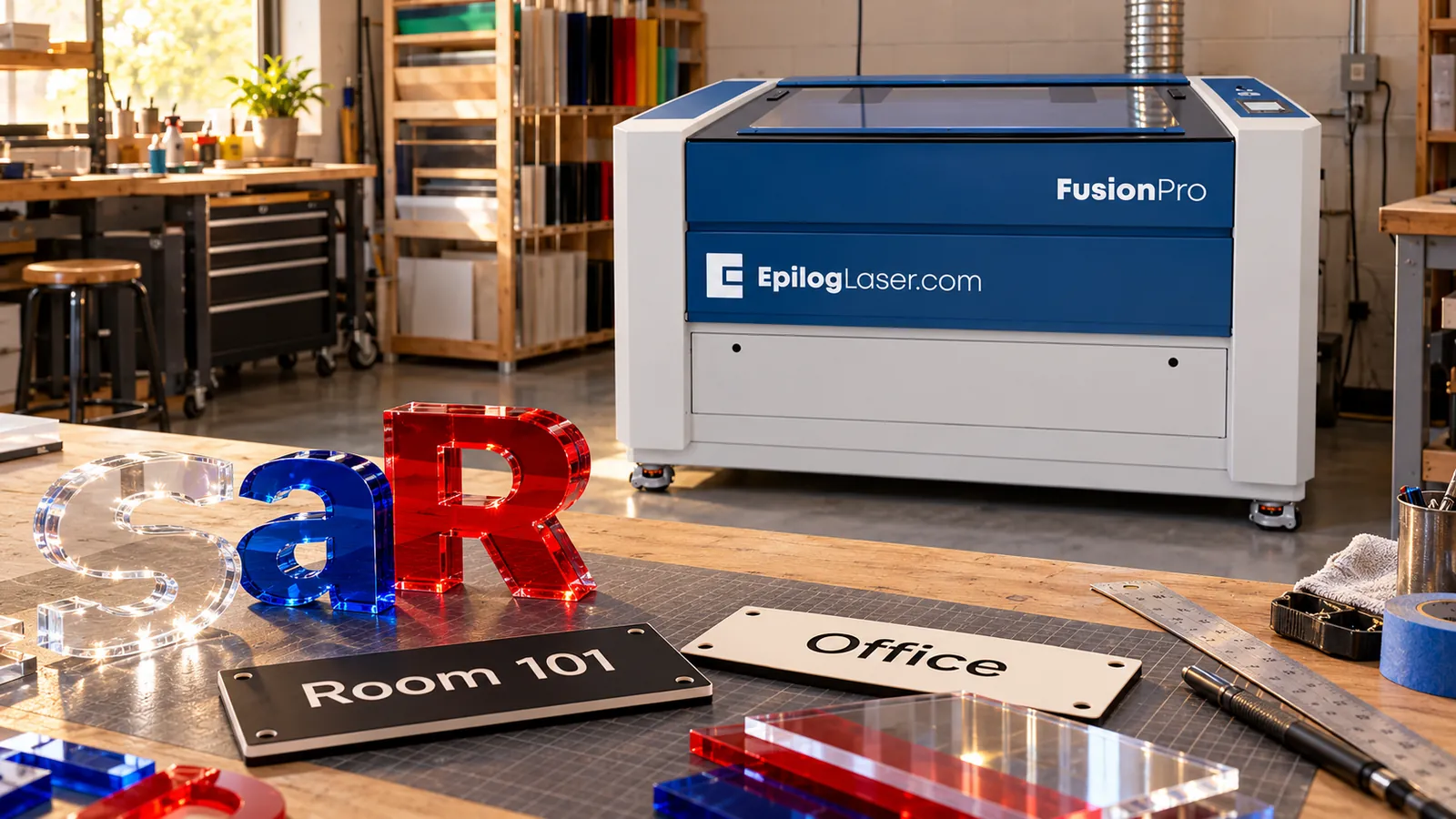
Laser Engraving and Cutting for Sign Shops
Sign shops use lasers for cut acrylic letters, two-ply interior signs, tactile room signs and displays. Here is what to buy for the work you take on.
Trusted for signs and displays across Canada
- Aritzia
- Lululemon
- Google Montreal
- Air Canada
How sign shops use lasers
For a sign shop, a CO₂ laser does two jobs: it cuts acrylic and wood with clean edges, and it engraves two-ply plastic for interior signs. Cast acrylic cut on a laser comes off with a polished edge, so letters and stand-offs need no finishing.
Interior signs for public buildings must meet accessibility rules. In Canada that means CSA B651, the provincial building code, and in Ontario the AODA. A laser makes the sign, but the layout, character height, contrast and Braille have to follow the standard your client is held to.
Typical jobs
- Cut acrylic letters, logos and stand-off signs
- Two-ply interior room and door signs
- Tactile signs with raised characters and Braille
- Layered signs combining wood, acrylic and metal
- Retail displays, stands and holders
- Stencils and templates for vehicle and wall graphics
How a layered sign comes together
-
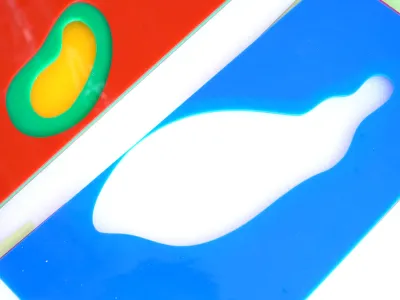
Cut acrylic layers Each colour is cut from its own sheet of acrylic. -
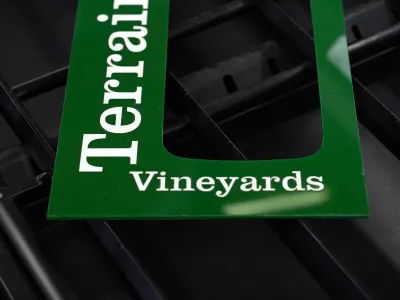
Lettering detail Crisp white lettering on the green face layer. -
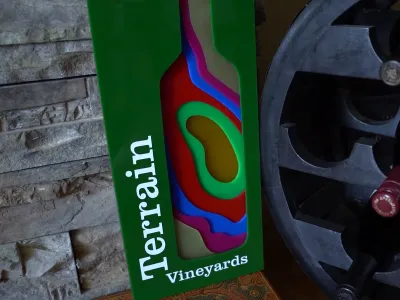
Assembled sign The layers stack into one dimensional sign.
Materials that work
- Cast acrylic
Cuts with a polished edge and engraves frosty white.
- Rowmark two-ply
Interior signs, name plates and directories.
- Tactile sign material
Rowmark ADA Alternative and Braille beads for raised characters and Braille.
Not sure about a material? Check the laser-safe materials guide.
Setups we usually recommend
- 1
Interior signs and small letters
Fusion Pro 24 or 36. Engraving speed matters more than bed size.
- 2
Large panels and letters
Fusion Pro 48, or a Kern flatbed if you cut full 4 × 8 ft acrylic sheets.
- 3
Acrylic cutting all day
Plan extraction for acrylic fumes and keep air assist on.
Accessibility signs in Canada
Use CSA B651 and your provincial building code (plus AODA in Ontario), not the US ADA. Raised characters can be engraved; Grade 2 Braille needs Braille beads (the Raster method) set into drilled holes, not engraving alone. Check the final sign against the standard your client specifies.
Equipment and materials

Fusion Pro 24, 36 and 48 for engraving two-ply and cutting acrylic and wood.
View Epilog
Flatbed lasers with beds up to 86 × 144 in for full-sheet acrylic and wood.
View Kern
Two-ply engraving plastics and tactile sign materials.
View RowmarkQuestions we get asked
Can a laser make Braille signs?
A laser engraves the raised lettering and drills the holes. The Braille dots are beads pressed into those holes (the Raster method). The sign must still follow CSA B651 and your provincial code.
Cast or extruded acrylic for laser signs?
Cast acrylic engraves frosty white and cuts with a polished edge. Extruded acrylic cuts well and costs less but engraves poorly. Most sign shops stock both.
Do I need a large-format laser?
Only if you cut full sheets often. Most interior signs fit a 24 × 12 in or 36 × 24 in bed.
Adding a laser to your sign shop?
Tell us your typical jobs and sheet sizes. We'll suggest a machine and the materials to stock.